Search Results Header
Search Results

1. Oral history interview with Omar Badsha, 1999
Badsha, Omar
- Name: Badsha, Omar (Interviewee)
- Format: oral histories
- Date: 1999
- Collection Name: Carnegie Corporation project. Part 2
- Abstract: (b. 1945) Photography career: influence of family; use of photography in the South African liberation movement to educate and mobilize people, stimulate debate; involvement with trade unions early 1970s: documenting work injuries and history of movem ent through photographs; struggle against government restrictions on photography: use of progressive, church and trade union publications, smuggling of photographs outside South Africa, traveling exhibitions; establishment of Afrapix and Afrascope: progressive young photographers and filmmakers, black and white, documenting South Africa; growing anti-apartheid movement; participant in the Carnegie Corporation of New York's [Carnegie] Second Carnegie Inquiry into Poverty and Development in Southern Africa; themes of photographs for Carnegie project: stereotypes, links between poverty and apartheid, mine and factory workers; emerging South African women's movement in early 1980s; photographic exhibition book for Carnegie project, South Africa: The Cordoned Heart
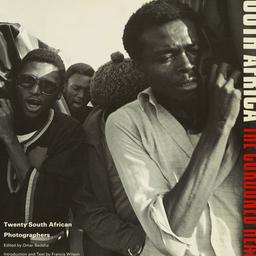
2. South Africa: the Cordoned Heart. Front cover
Badsha, Omar
- Name: Wilson, Francis, 1939- (Author)
- Format: books
- Date: May 1986
- Collection Name: Carnegie Corporation of New York Records. Series VIII. Printed Material. CO
- Abstract: Following Afrikaner political ascendance in 1951, the Corporation ceased grantmaking in South Africa for more than two decades. The Second Carnegie Inquiry into Poverty and Development in Southern Africa (the first one, focused on the poor white popul ation, was conducted in the 1930s) created to examine the legacies of apartheid and to make recommendations on achieving a democratic, interracial society, was started in the mid-1970s. One of the projects, funded by the Inquiry, this collection of 136 pictures taken by 20 South African photographers poignantly documents the evils of apartheid. It is accompanied by valuable text from presentations made at Carnegie-sponsored 1984 Cape Town conference.